


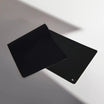






In short: grounding products such as grounding sheets or grounding mats use only the protective earth contact of your wall socket. For this to work, the socket must be correctly grounded. The easiest way to check is with a socket tester. In older buildings or if you are unsure, a qualified electrician should inspect the installation.
Why the socket's earth connection matters
A Wurzler™ grounding plug has only one conductive contact: the protective earth contact. The two pins that normally carry current are made of plastic and do not conduct. So the product uses no electricity; it is only connected to the protective earth conductor of your home wiring. In the building, this conductor leads to the earthing system.
If a socket is not grounded or grounded incorrectly, the grounding product has no connection to the earth. That is why a quick check is worthwhile before you connect your grounding sheet or grounding mat.
Step 1: look at the socket
In Germany and Austria, Schuko sockets (type F) are standard. You can recognise them by the two metal clips at the top and bottom of the socket. These are the earth contacts.
- Metal clips present: the socket is designed for a protective earth conductor. Whether it is actually connected, however, cannot be seen from the outside.
- No metal clips: the socket has no earth contact and is not suitable for grounding products.
- Switzerland: type J sockets are common here. There is a matching Swiss grounding plug for them.
Step 2: check with a socket tester
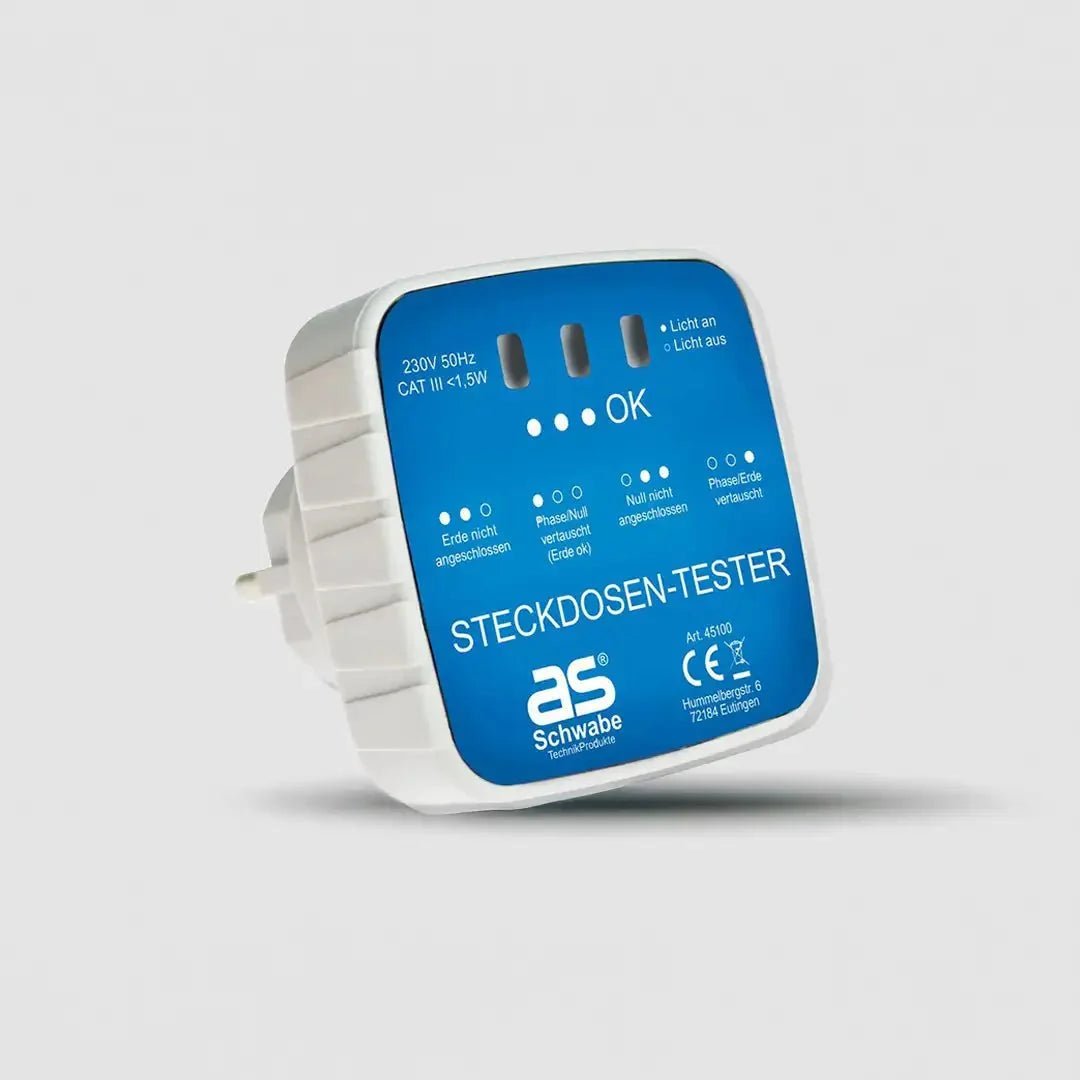
A socket tester is the easiest option at home. You plug it in like a normal plug and read the result from the indicator lights. The legend on the tester shows you whether the socket is wired correctly or whether, for example, the earth conductor is missing.
Here is how:
- Plug the tester into the socket where you want to use your grounding product.
- Compare the indicator lights with the legend on the tester.
- If it shows “correct”: according to the tester, the socket is wired correctly.
- If it shows an error: do not use the socket for grounding products and have the installation checked by a qualified electrician.
Important: a simple socket tester does not replace a measurement by a qualified electrician. It cannot detect every wiring fault, for example certain older types of wiring.
Step 3: special cases in older buildings
In older buildings, sockets were sometimes wired without a separate earth conductor. Sometimes a socket looks modern even though the wiring behind it is old. Typical signs:
- The electrical system of the building has not been renovated for a long time.
- There is no RCD (residual current device) in the fuse box.
- Some rooms still have sockets without earth contacts.
If any of this applies, have the socket checked by a qualified electrician before you connect a grounding product. Never open sockets yourself and do not take measurements on exposed contacts.
Step 4: the RCD in the fuse box
An RCD switches off the circuit when a fault current occurs. It is standard in newer installations. You can usually recognise it by the test button marked “T”. Many manufacturers recommend pressing this button regularly to test that it works. Where an RCD is required, it should be present for safe use.
Additional safety thanks to the resistor in the cable
Wurzler™ connection cables contain an integrated resistor of at least 90,000 ohms. It is designed to strongly limit possible fault currents. Nevertheless: during thunderstorms or storms you should disconnect the cable from the product, because no grounding product protects against lightning strikes or power surges.
No suitable socket? The alternatives
- Use another socket: often only a single socket is affected. Check a socket nearby with the tester.
- Nature/outdoor connection: with the nature/outdoor connection kit you can connect directly to the soil without a socket, for example in the garden.
- Extend the cable: if the cable does not reach the tested socket, a coiled cable for the grounding plug helps.
Radiators or water pipes are not a reliable alternative. You cannot be sure that they are grounded throughout, for example because of plastic pipes.
Frequently asked questions
Does current flow through my grounding sheet when I plug it into the socket?
No. The grounding plug only connects the protective earth contact. The pins for the live and neutral conductors are made of plastic and do not conduct. The product uses no electricity.
Is it enough if the socket has metal clips?
The metal clips only show that the socket is designed for an earth conductor. Whether it is connected is something you check with a socket tester or have measured by a qualified electrician.
Can I use a power strip?
Yes, if it has earth contacts and is plugged into a correctly grounded wall socket. Ideally, check the exact outlet of the power strip you want to use with the tester.
What do I do in an older building?
Have the installation checked by a qualified electrician before using grounding products. Alternatively, you can use a nature/outdoor connection kit if an outdoor connection is possible.
Read more
- Grounding (earthing) simply explained
- Grounding sheets: function, connection and buying criteria
- Grounding mat at the office and in your home office
Note: this guide does not replace an inspection by a qualified electrician. Wurzler™ products are not medical devices.


Leave a comment
This site is protected by hCaptcha and the hCaptcha Privacy Policy and Terms of Service apply.