



















Grounding – also called earthing – describes direct, conductive contact between the body and the surface of the earth. Here we explain factually what is behind it, how grounding works in everyday life and what research says about it.
What does grounding mean?
The earth carries a slightly negative electrical charge. When you stand barefoot on grass, soil, sand or in the sea, you are conductively connected to this earth potential. In modern everyday life this rarely happens: rubber soles, floors and mattresses largely insulate us from the ground.
How does grounding work indoors?
So that you don't have to go outside barefoot, there are conductive grounding products:
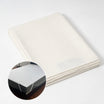
- Grounding sheets for sleep
- Grounding mats for your desk, sofa or yoga
- Grounding barefoot shoes for on the go
Sheets and mats are connected via a cable to the earth contact of a grounded wall socket – the same protective conductor that also grounds household appliances. No current flows. Alternatively, a grounding rod connects the product directly to the soil.
Is grounding via the wall socket safe?
The grounding plug only uses the earth contact; the live pins are made of plastic. What matters is a correctly installed earth connection – you can check this with a socket tester. People with active implants (e.g. a pacemaker) should ask their doctor first.
What does research say?
There are a number of studies and publications on grounding, many of them with small numbers of participants. Overall, the evidence is still limited and has not been conclusively assessed scientifically. You can find an overview on our page Studies on grounding. That is why we say honestly: what people notice from grounding is individual and differs from person to person.
How do I build grounding into my everyday life?
- While you sleep: the night is the longest uninterrupted stretch of time – that is why many people start with a grounding sheet.
- At your desk: a grounding mat under your forearms or feet.
- On the go: grounding barefoot shoes on natural ground.
- Outdoors: barefoot on grass or sand as often as possible.
Frequently asked questions
Do I need skin contact? Yes, direct skin contact gives the best conductivity.
Does grounding use electricity? No, it only creates a conductive connection to earth potential.
Where do I start? The easiest way is a sleep set – sheet, socket tester and detergent in one.
Note: Wurzler™ products are not medical devices and do not replace medical advice.



Leave a comment
This site is protected by hCaptcha and the hCaptcha Privacy Policy and Terms of Service apply.